An educational resource exploring gentle movement routines that may help maintain flexibility and comfort in daily life. This information is provided for educational purposes only.
Educational content only. No medical services. No promises of outcomes.
Exploring the fundamentals of movement and flexibility for older adults
Mobility refers to the ability to move freely and easily. As people age, maintaining mobility becomes an important aspect of daily living. Understanding how gentle exercises work can help individuals make informed decisions about their physical activity routines.
This educational resource provides information about various types of home-based exercises that are commonly discussed in the context of senior fitness. The content explains different movement patterns, their general characteristics, and how they are typically performed.
Movement and flexibility are topics that encompass many different approaches and perspectives. What works for one individual may differ from another, and personal circumstances vary widely.
Learn more
The information presented here is educational in nature. It does not constitute personal recommendations or replace individual decision-making. Approaches to physical activity vary among individuals, and this content aims to explain concepts rather than advise specific actions.
Understanding how regular gentle movement is generally described in educational literature
Flexibility refers to the range of motion available in joints. Regular gentle stretching is commonly associated with maintaining or improving this range of motion over time.
Balance involves the ability to maintain body position during various activities. Certain exercises are designed to challenge and potentially improve balance awareness.
Coordination relates to how different body parts work together during movement. Practicing specific movement patterns is one approach to maintaining coordination skills.
Moving comfortably involves being aware of body positions and movement patterns. Understanding proper form is often emphasized in educational materials about exercise.
Maintaining mobility may support various daily activities such as walking, reaching, and bending. These functional movements are commonly discussed in senior fitness literature.
Establishing regular movement routines is frequently mentioned as a component of maintaining physical activity levels. Consistency is often highlighted in educational resources.
Exploring common stretching exercises described in senior fitness education
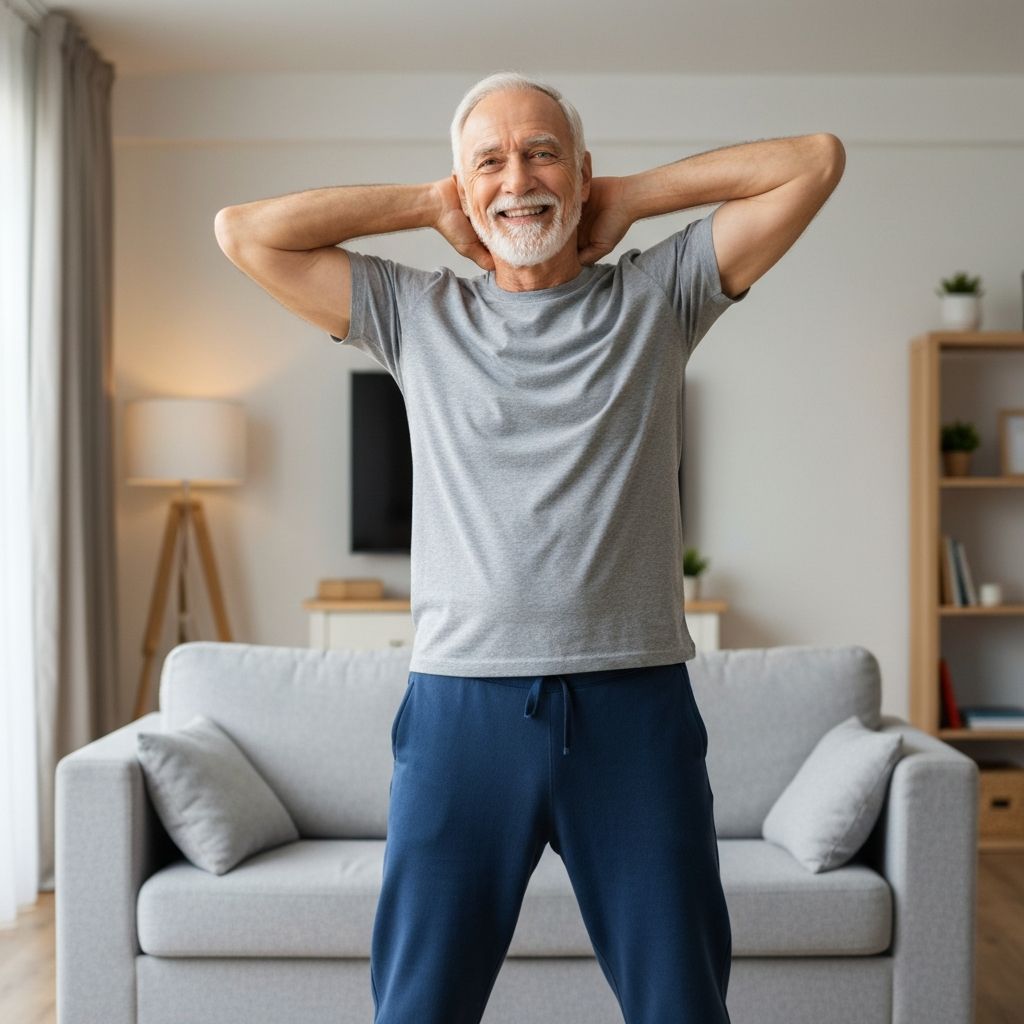
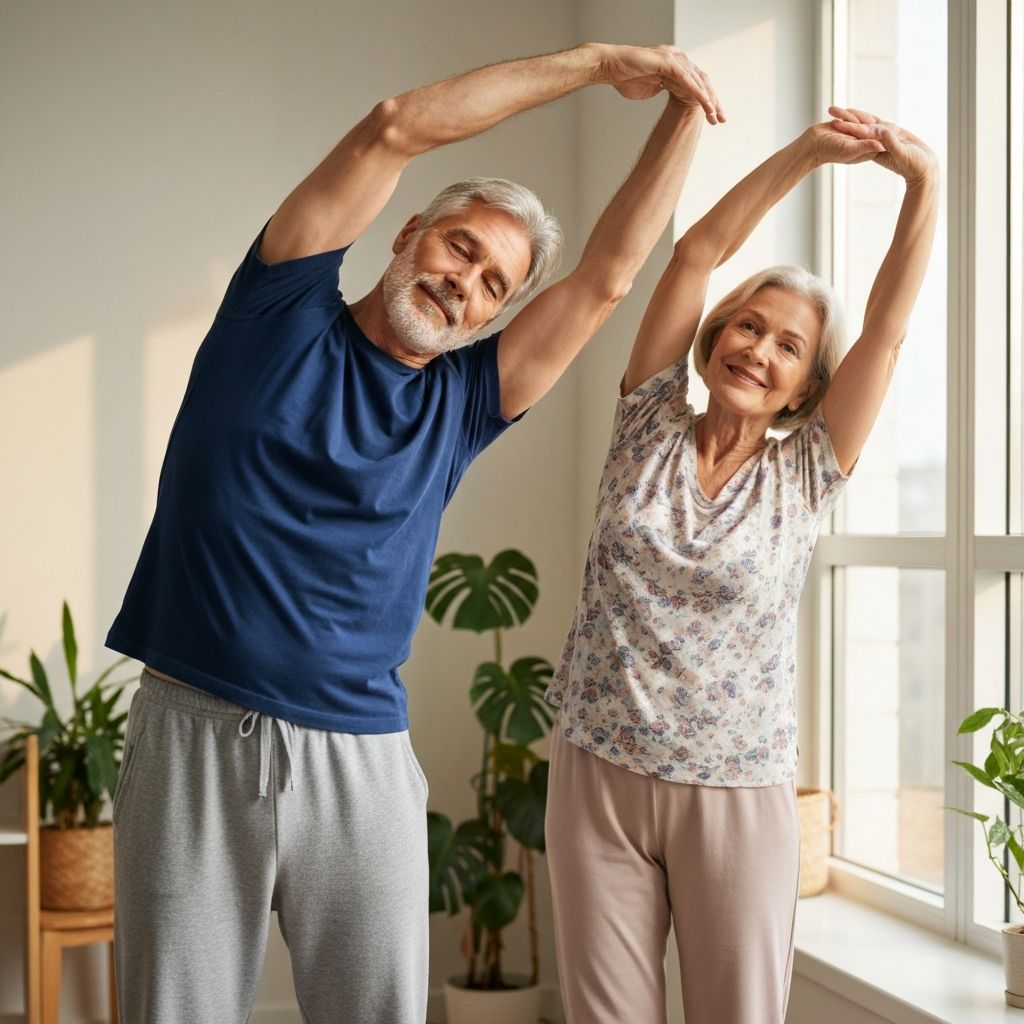
Neck and shoulder stretches typically involve gentle tilting and rotating motions. These movements are commonly described as targeting the upper body muscles that may become tense during daily activities.
The general technique involves slow, controlled movements without forcing the range of motion. Breathing naturally during stretches is frequently recommended in educational materials.
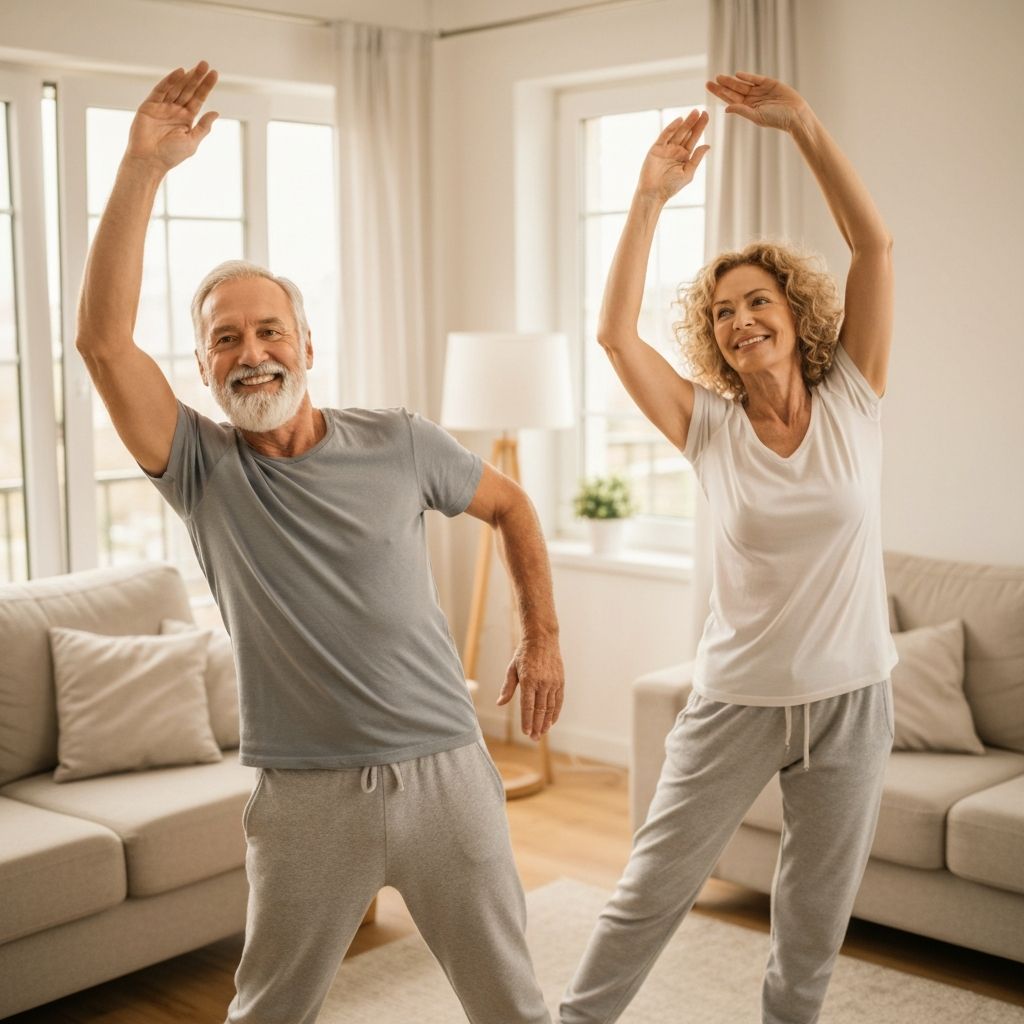
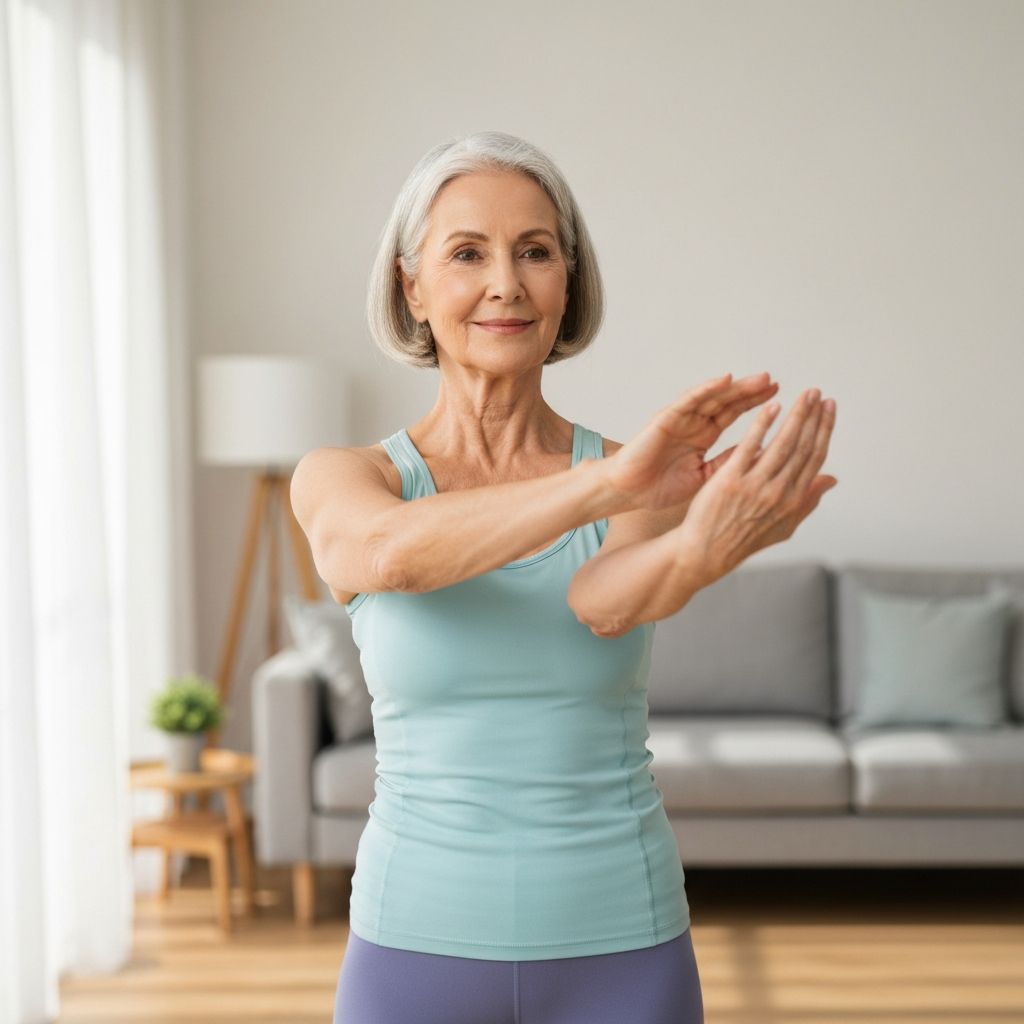
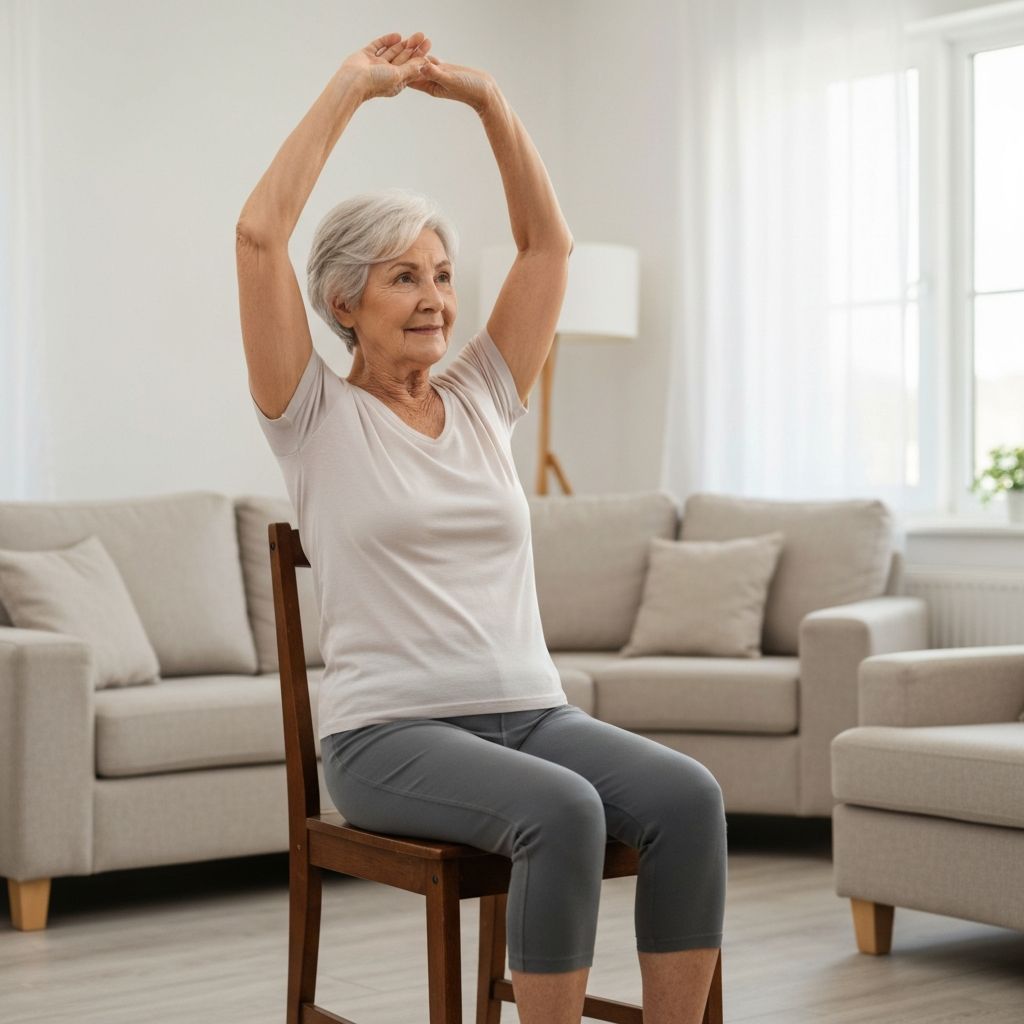
Arm stretches often involve extending the arms in various directions and gently holding positions. Wrist circles and flexion movements are commonly included in upper body routines.
These exercises are typically performed in a seated or standing position, depending on individual comfort and stability preferences.
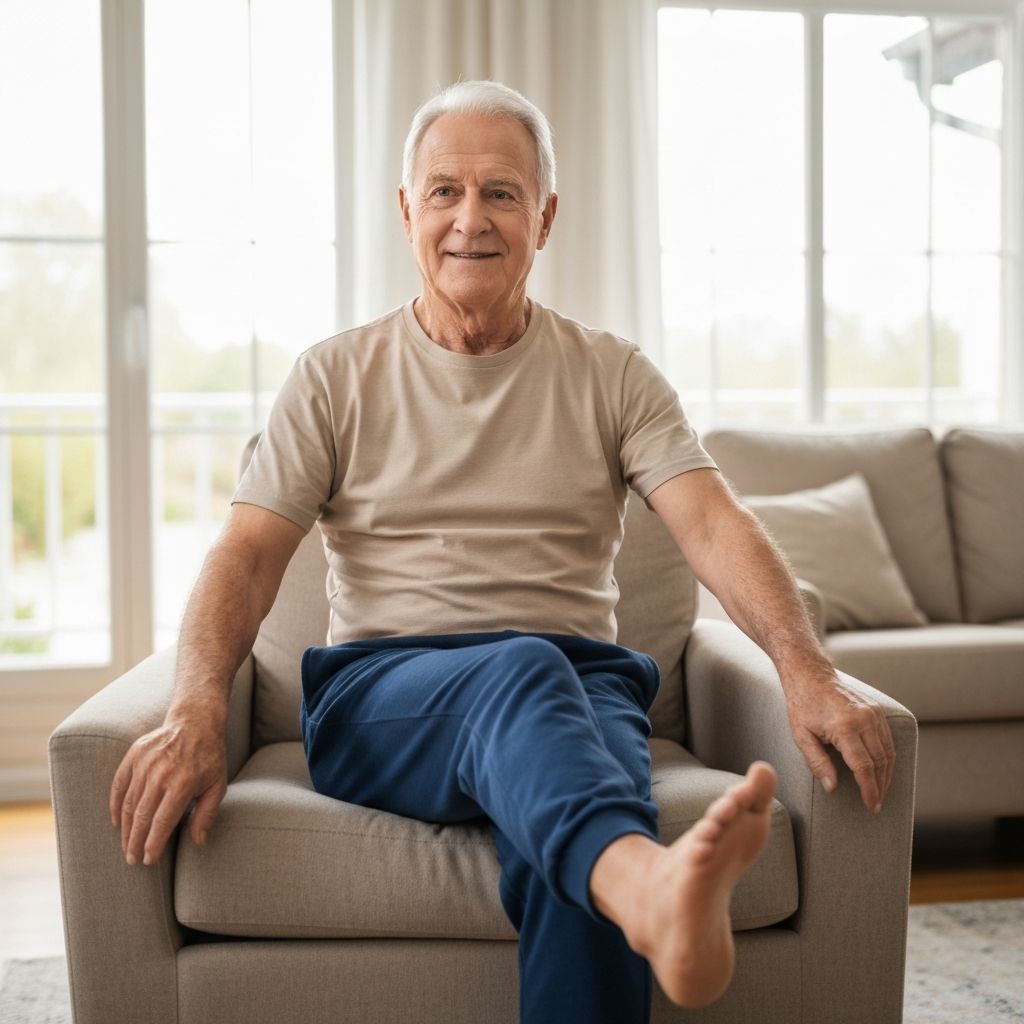
Lower body stretches commonly include calf raises, ankle rotations, and gentle leg extensions. These movements are described as addressing the muscles used in walking and standing.
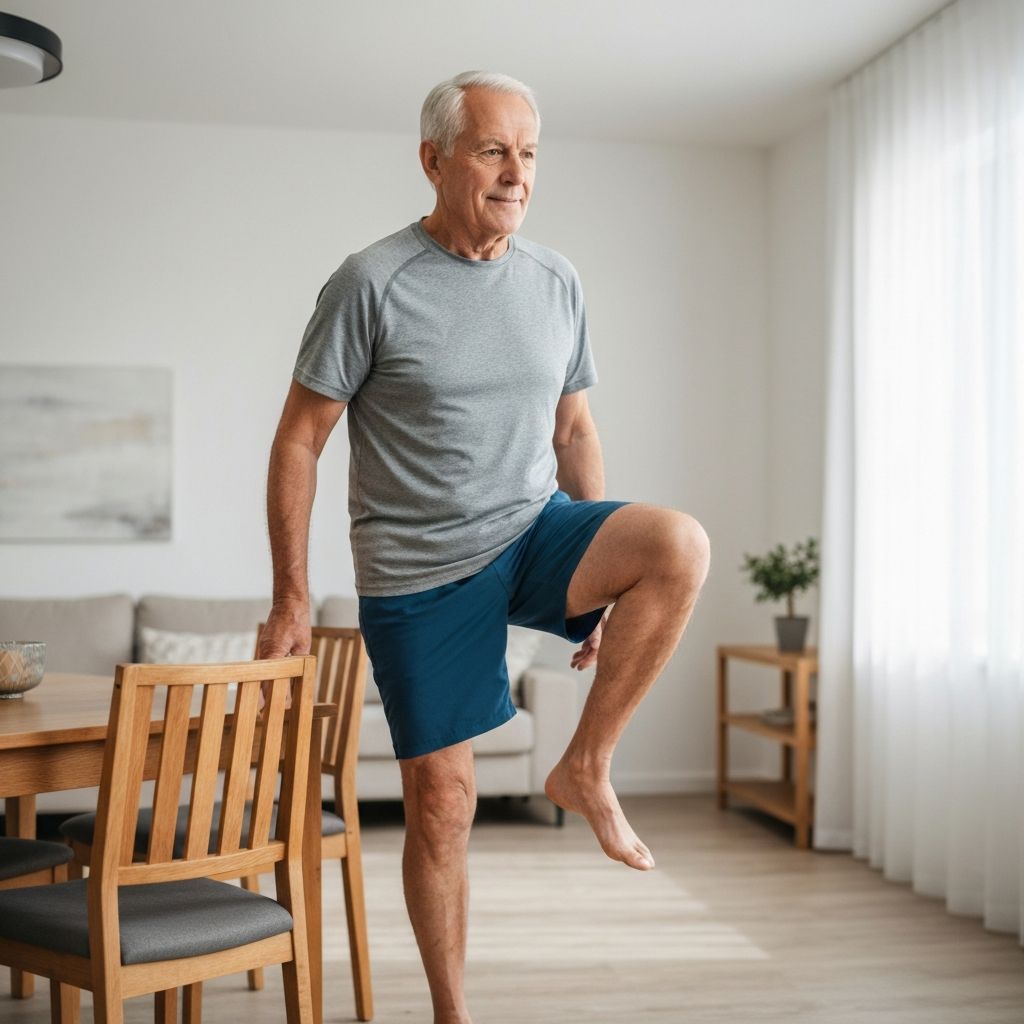
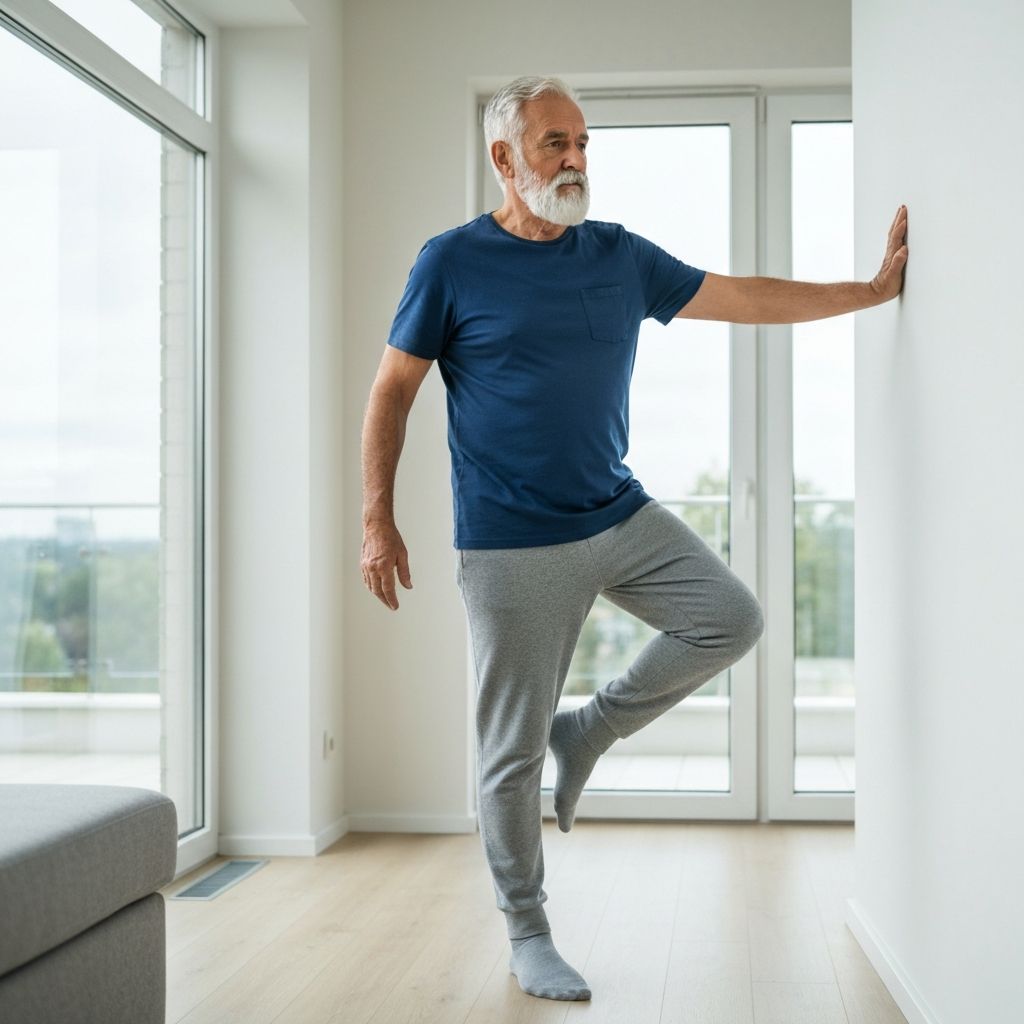
Support from a chair or wall is frequently mentioned as an option for maintaining balance during standing stretches.
The stretching techniques described represent common approaches found in educational fitness materials. Individual experiences with stretching vary, and what is suitable depends on personal circumstances and preferences.
Information about seated and floor-based movement options
Chair exercises involve movements performed while sitting in a sturdy chair. Common exercises include seated marching, arm raises, and torso rotations.
This approach is often described as providing stability while allowing for a range of upper and lower body movements. The chair serves as support throughout the exercise.
Using a chair for support during standing exercises is a common technique described in senior fitness materials. The chair back provides a stable surface to hold while performing leg movements.
Examples include supported leg lifts, heel raises, and gentle squats with chair assistance.
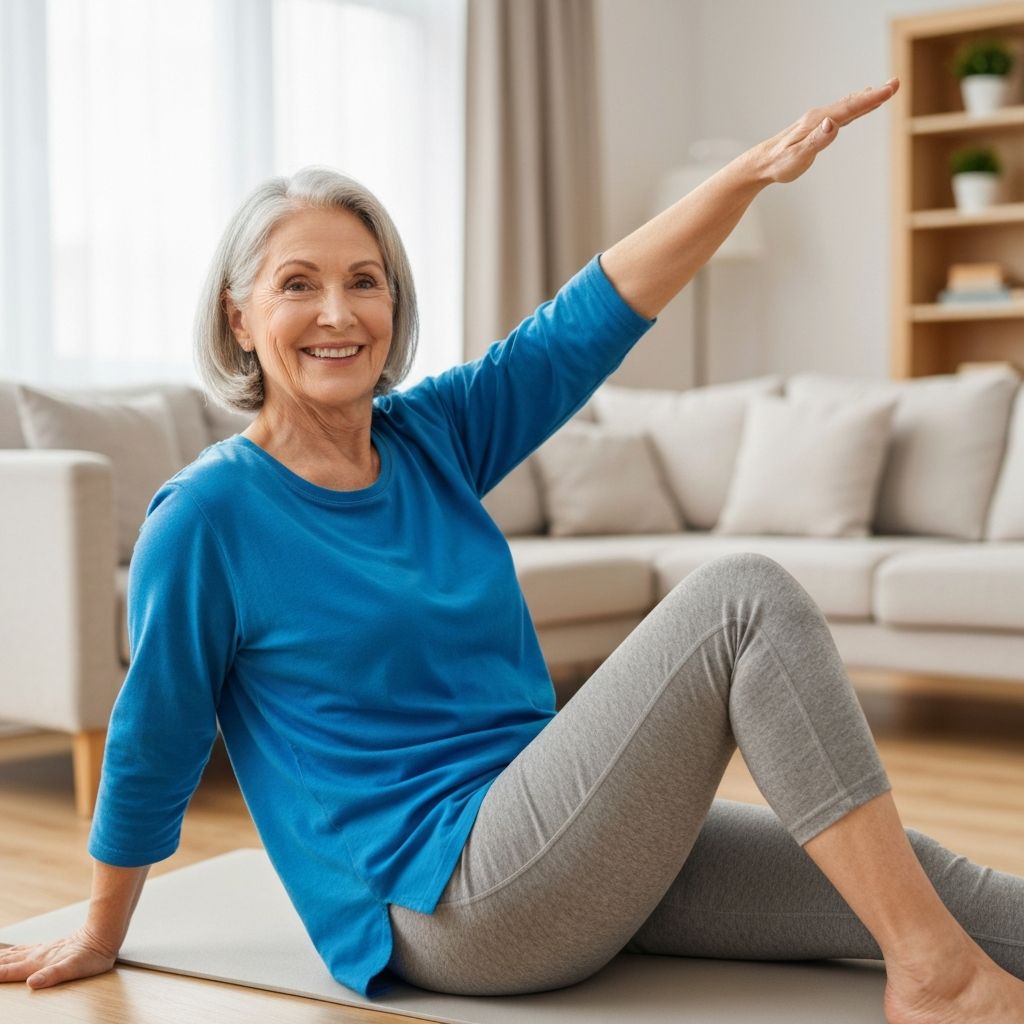
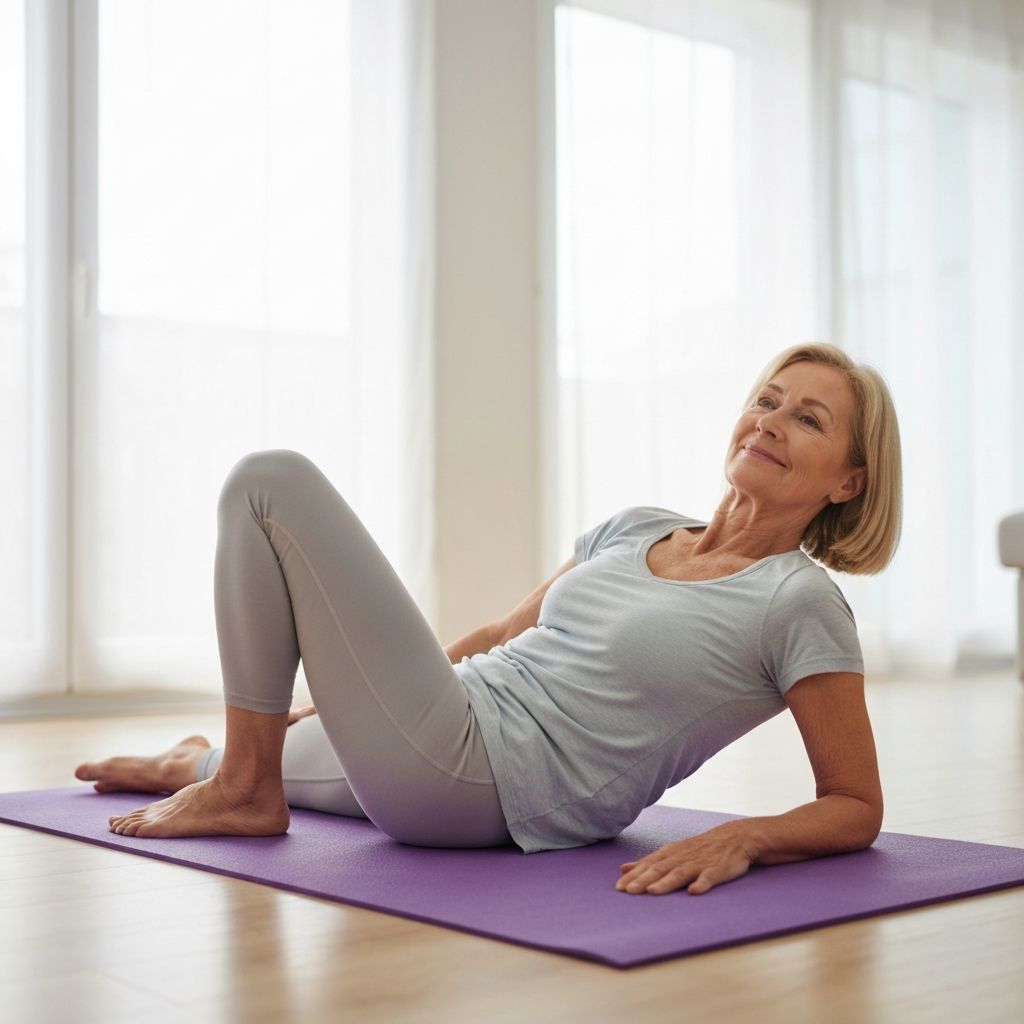
Floor exercises are performed on a mat or carpeted surface. Common movements include lying stretches, gentle core exercises, and hip mobility movements.
Getting up and down from the floor safely is an important consideration often addressed in educational materials about floor exercises for seniors.
Educational information about balance-focused exercises
Balance exercises are designed to challenge the body's ability to maintain stability. These exercises often involve standing on one foot, walking in a line, or shifting weight from side to side.
The concept behind balance training is that practicing stability challenges may help maintain the body's balance responses over time. This is a common topic in senior fitness education.
Coordination exercises typically involve moving multiple body parts in specific patterns. Examples include arm and leg movements performed together, or stepping patterns that require attention and timing.
These exercises are often described as engaging both physical and cognitive aspects of movement.
Explore exercises
Balance and coordination training encompasses many different methods and philosophies. The information provided represents general educational content and does not constitute specific guidance for individual situations.
Exploring timing concepts for daily movement routines
Morning exercise routines are often described as a way to begin the day with gentle movement. Common suggestions in educational materials include light stretching after waking and gradual warm-up movements.
The idea is that morning movement may help transition the body from rest to activity. Individual preferences and schedules vary considerably in this regard.
Evening exercises are sometimes described as focusing on relaxation and gentle stretching. The concept is that calming movements before rest may be part of a wind-down routine.
Examples often include slow stretches, breathing-focused movements, and gentle mobility work. As with all exercise timing, individual preferences play a significant role.
Information about simple equipment sometimes used in home exercises
Resistance bands are elastic bands that provide resistance during movement. They come in various resistance levels and are commonly mentioned in home exercise education as a lightweight, portable option.
Common uses include arm exercises, leg movements, and stretching assistance. The bands allow for gradual resistance adjustment.
Small hand weights, often ranging from one to five pounds, are sometimes incorporated into senior exercise routines. They add resistance to arm movements and certain exercises.
Water bottles or canned goods are sometimes mentioned as household alternatives in educational fitness materials.
Small exercise balls may be used for hand strengthening exercises, while larger stability balls are sometimes used for seated exercises. Size selection depends on the intended use.
Stability and proper sizing are important considerations discussed in equipment education materials.
Exercise mats provide cushioning for floor-based exercises. They come in various thicknesses and materials designed for comfort during stretching and floor movements.
Non-slip surfaces and adequate thickness are commonly mentioned features in mat selection guidance.
Common questions about senior mobility exercises
Mobility exercises are movements designed to maintain or improve the range of motion in joints and the flexibility of muscles. They typically involve gentle stretching, controlled movements, and exercises that work on flexibility and coordination.
Senior mobility exercises are generally described as gentle, low-impact movements that can be modified based on individual ability. They often include stretching, balance work, and coordination exercises performed at a comfortable pace.
Educational materials often mention simple equipment such as sturdy chairs, resistance bands, light weights, and exercise mats. Many exercises can be performed without any equipment at all.
Home-based exercises are typically described as being performed in any comfortable space with enough room to move freely. A clear area near a wall or sturdy furniture for support is often recommended.
Frequency recommendations vary widely in educational materials. Common suggestions range from daily gentle stretching to several sessions per week for more structured routines. Individual circumstances influence these decisions.
This resource aims to explain concepts related to senior mobility exercises in an informational context. It provides educational content about different types of exercises, their general characteristics, and how they are commonly described.
Explore more educational content about mobility and flexibility
This educational resource provides information about home mobility exercises for seniors. The content is designed to explain concepts and describe common approaches found in fitness education materials.
For more detailed information about specific topics, explore the additional resources section or contact us with questions about the educational content provided.
Read detailed instructionsQuestions about our educational content
Brand: SeniorFlex
Address: Václavské náměstí 18, Prague, Czechia
Phone: +420 732 864 291
Email: [email protected]
Further educational materials about senior mobility
Movement education for seniors encompasses a wide range of topics including flexibility, balance, coordination, and strength. Educational resources on these topics come from various sources including fitness organizations, academic institutions, and community programs.
Different sources may present varying perspectives on exercise approaches, frequency recommendations, and techniques. This diversity reflects the individual nature of physical activity and the many factors that influence personal choices.
Learning about movement and flexibility is an ongoing process. New information and perspectives continue to emerge in the field of senior fitness education.
Learn more about us